
Carbon monoxide (CO) is a tasteless, odorless, and invisible gas that can make you seriously sick if you’re exposed to it.
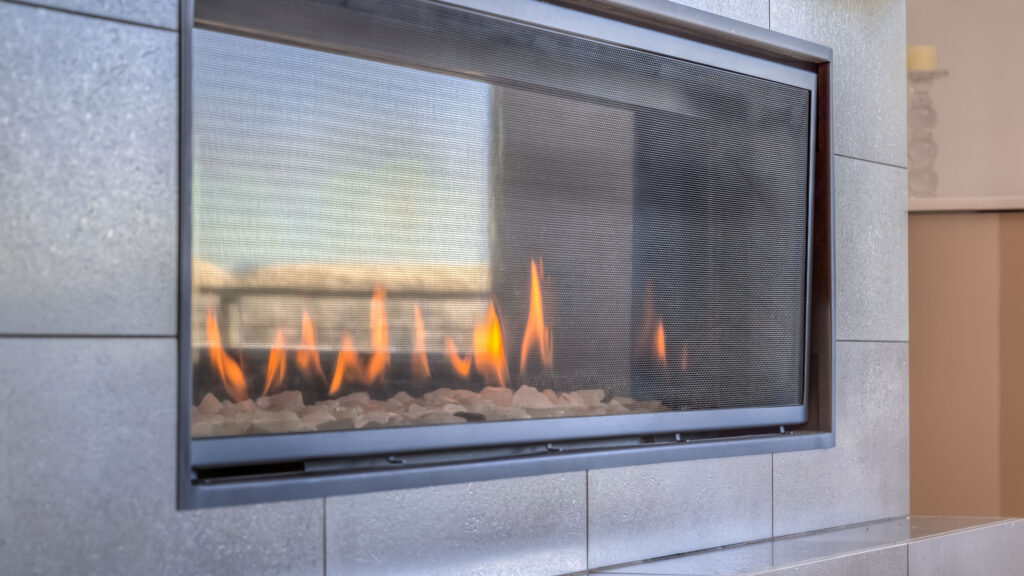
Most incidents occur in homes, but they can happen in office buildings and businesses as well. CO is released when fuels such as propane, wood, natural gas, or charcoal don’t burn completely. Simply speaking, your fuel-burning fireplace, stove, or hot water heater could pose a hazard.
We often believe that we’re immune to serious injuries. But that’s not true. The majority of carbon monoxide incidents occur in single detached homes, where homeowners are responsible for appliance maintenance—their own and their rental units, if they have one. Thinking it will never happen to you, or someone you know, is a bad idea.
Early symptoms of CO poisoning often mimic the flu (headache, dizziness, fatigue or weakness, vomiting), but without the fever, so it can be easy to dismiss.
We’ve partnered with Technical Safety BC this fall to remind you of the steps you can take to prevent CO exposure. As BC’s safety regulator for gas equipment and systems, Technical Safety BC supports gas safety across the province through contractor licensing, worker certification, permits, inspections, and public safety education. We’re not saying that you need to get rid of your gas appliances—in fact, natural gas equipment can be used safely when properly installed, maintained, and operated.
We know, hiring a licensed gas contractor to check your appliances is just one more thing to put in the calendar. But not only will that annual service allow you to stay warm and toasty this winter, it can help keep your appliances operating safely.
If you believe you’re being poisoned by CO, or if your alarm goes off, do these things right away: move immediately to fresh air. Go outside if you can. If you can’t, move next to an open window or an open door. Call 9-1-1, and don’t return to the area until it’s safe—if you’re not sure, wait for the fire department to tell you everything is okay.
Simple steps to help prevent CO exposure:
- Install a CO alarm on every floor of your home, and test it regularly to make sure it works
- Get your appliances checked annually by a licensed gas contractor.
- Never use gas-powered outdoor equipment, such as a camp stove, propane lantern, generators, or tools (e.g., chainsaws) indoors.
- Don’t leave your car idling in the garage.
- If using a wood-burning fireplace, open the damper and crack a window or door nearby.
- If you suspect CO exposure, leave the building immediately, and call 9-1-1 and FortisBC’s 24-hour emergency line (1-800-663-9911). Do not re-enter until emergency responders have confirmed it’s safe. Have any affected appliances inspected by a qualified professional before using them again.
Visit Technical Safety BC’s website to find a licensed gas contractor near you. Oh yeah, they also have information on CO exposure for renters, for homeowners, and signs that your pets may be suffering from CO poisoning.

